
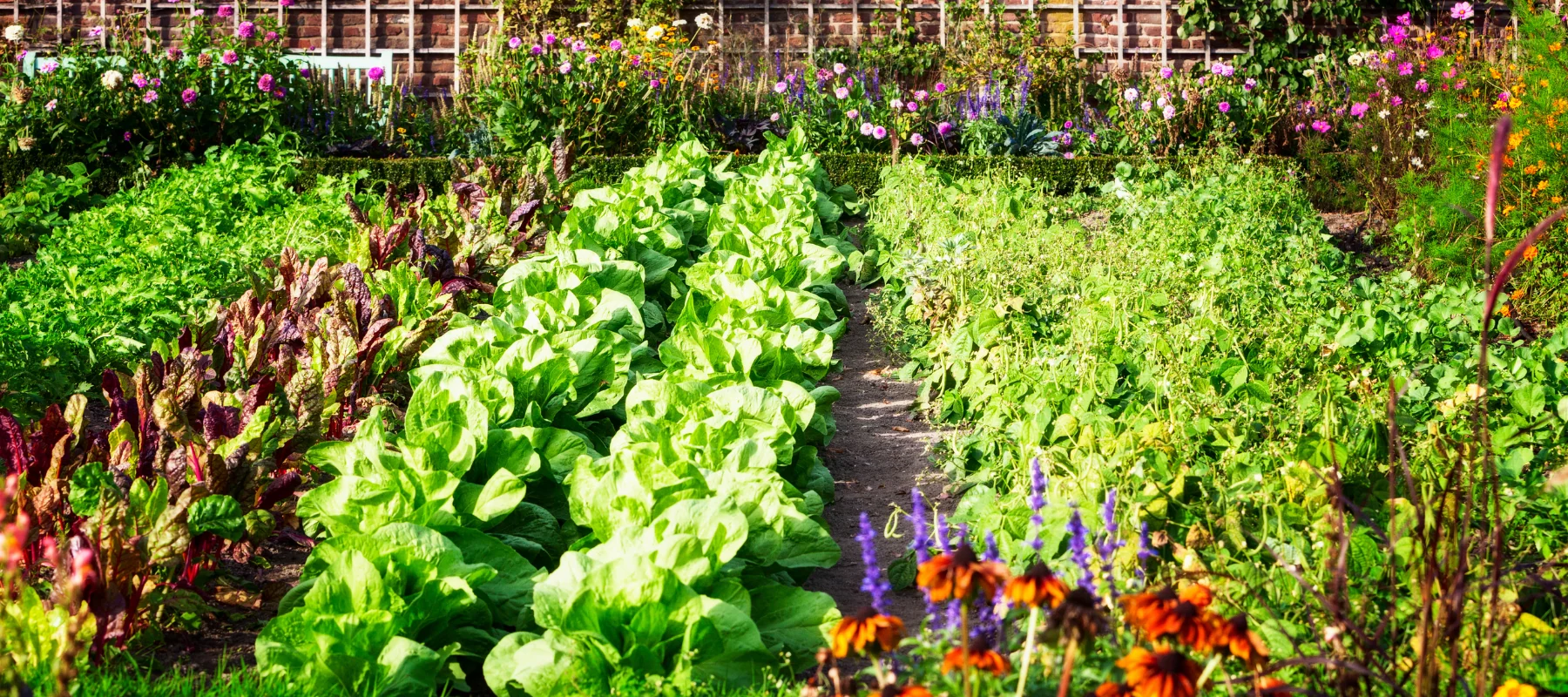
As the days grow longer and gardens burst back to life, spring presents the perfect opportunity for schools and early learning centres to engage children with nature through meaningful, hands-on learning experiences.
At All Green Nursery, we understand that school gardens are much more than landscaping projects. They are living classrooms where children can explore science, sustainability, healthy eating, biodiversity, and environmental responsibility in a practical and memorable way.
This season, we're sharing ideas, inspiration, and practical advice to help your school or kindergarten create a thriving garden that delivers educational value for years to come.
Creating Thriving School Gardens: Practical Tips for Long-Term Success
A successful school garden doesn't happen by chance. The most rewarding projects begin with thoughtful planning and a clear understanding of how the space will support both learning and engagement.
Start with Purpose
Before planting begins, consider what you want the garden to achieve.
A school garden can:
- Support curriculum-based learning
- Encourage environmental stewardship
- Promote healthy eating habits
- Create opportunities for outdoor play and exploration
- Foster student wellbeing and connection with nature
When educational goals are established from the outset, garden design and plant selection become much easier.
Choose Plants That Inspire Success
Selecting the right plants can make all the difference, particularly in environments where students are actively involved in planting and maintenance.
Some popular options for educational gardens include:
- Easy-growing vegetables such as lettuce, spinach, peas and beans
- Fragrant herbs including parsley, rosemary, mint and chives
- Pollinator-friendly flowers that attract bees and butterflies
- Native plants that support local biodiversity and wildlife
Plants that provide visible growth and seasonal rewards help maintain enthusiasm and create ongoing learning opportunities.
Design for Student Engagement
The most successful gardens are designed to encourage participation.
Consider incorporating:
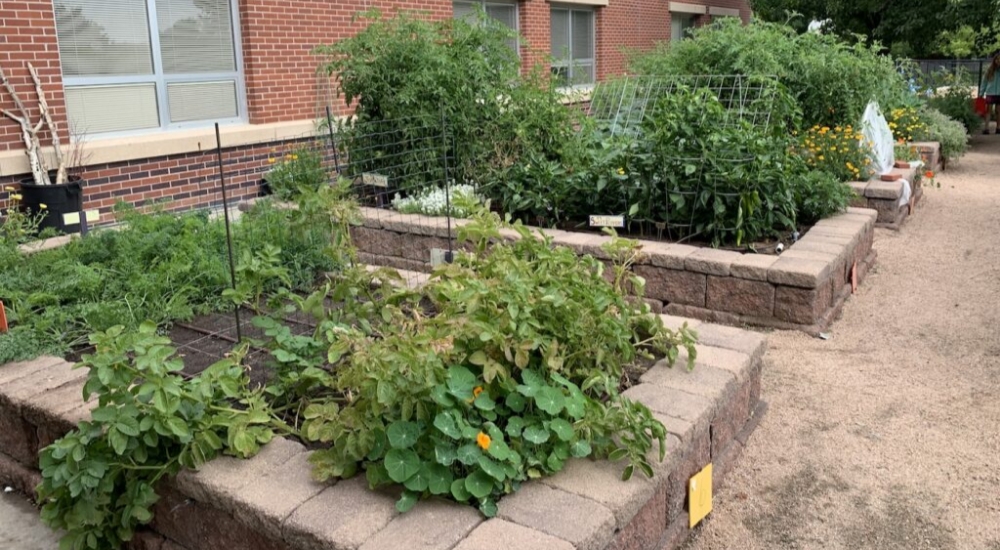
- Raised garden beds for easy access
- Wide pathways for group learning
- Sensory planting zones
- Outdoor learning areas
- Composting and worm farm stations
- Student-created garden signage
When children help design, plant and care for a garden, they develop a stronger sense of ownership and pride.
Plan for Long-Term Sustainability
One of the biggest challenges schools face is maintaining gardens throughout the year.
Practical solutions include:
- Installing efficient irrigation systems
- Selecting hardy, low-maintenance plants
- Using mulch to retain moisture and suppress weeds
- Establishing student garden clubs
- Involving families and community volunteers
A sustainable garden is one that remains manageable and enjoyable for both staff and students.
Turn Gardens into Outdoor Classrooms
School gardens provide opportunities to connect learning across multiple curriculum areas.
Students can:
- Measure plant growth in mathematics
- Explore life cycles and ecosystems in science
- Learn about nutrition and food production
- Develop observation and writing skills
- Investigate sustainability and waste reduction
Every planting season offers new opportunities for discovery.
Common School Garden Challenges
"We don't know where to start."
Start small. A few well-designed garden beds can provide significant educational benefits and are easier to manage than larger projects.
"We struggle with maintenance."
Choosing suitable plants, implementing irrigation, and sharing responsibilities across classes can dramatically reduce ongoing workload.
"Student interest fades over time."
Gardens thrive when students are involved at every stage—from planning and planting through to harvesting and celebrating results.
"Our outdoor space is limited."
Container gardens, raised beds and vertical planting systems can transform even small spaces into productive learning environments.
Spring Planting Inspiration
Now is an excellent time to plant:
Vegetables
- Lettuce
- Silverbeet
- Spinach
- Peas
- Beans
- Tomatoes
Herbs
- Basil
- Parsley
- Chives
- Rosemary
- Mint
Pollinator-Friendly Flowers
- Marigolds
- Alyssum
- Salvia
- Native daisies
Native Species
Incorporating indigenous and native plants helps support local ecosystems while creating valuable learning opportunities around biodiversity and conservation.
Spotlight on Sustainability
Creating environmentally responsible learning spaces is becoming increasingly important across schools and early learning centres.
Simple additions can make a big impact:

Compost bins for food waste recycling

Worm farms that teach natural waste management

Water-wise irrigation systems

Pollinator habitats that support biodiversity

Native planting programs
These initiatives not only improve environmental outcomes but also provide practical learning experiences for students.
Success Story: Growing More Than Vegetables
One Victorian primary school transformed an underutilised section of its grounds into a productive learning garden featuring vegetable beds, native plants, composting stations and outdoor learning spaces.
Within the first year:
- Students participated in weekly gardening activities.
- Science lessons incorporated real-world plant growth observations.
- Harvested produce was used in healthy eating programs.
- Families became actively involved in garden maintenance and events.
The result was a thriving outdoor classroom that strengthened student engagement and fostered a deeper connection to sustainability.
All Green Nursery Can Help
At All Green Nursery, we work closely with schools, kindergartens and educational facilities to create green spaces that are practical, engaging and sustainable.
We can assist with:
- School garden planning
- Plant selection
- Native and indigenous plant supply
- Vegetable and herb seedlings
- Sustainability projects
- Outdoor learning environments
- Landscaping support for educational settings
Whether you're creating a new garden from scratch or revitalising an existing space, our team is here to help.
Let's Grow Together This Spring
A well-designed school garden can inspire curiosity, encourage learning, and create lasting connections with nature.
If you're planning a garden project, sustainability initiative, or outdoor learning space this spring, we'd love to help. Give us a call or visit our nursery in Hoppers Crossing.


